

The Rules

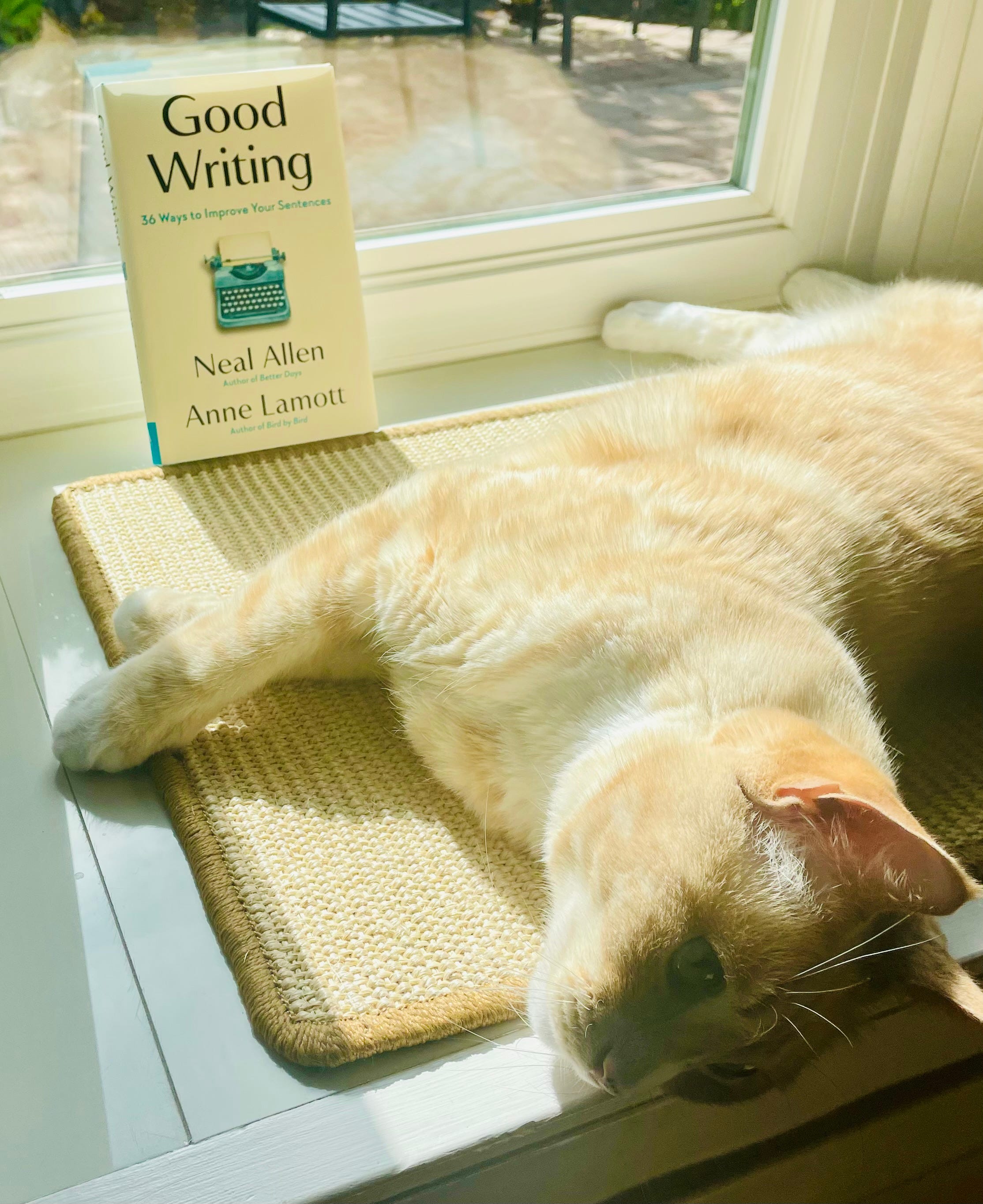
I love a good writer’s guide, and Neal Allen’s and Anne Lamott’s Good Writing, 36 Ways to Improve Your Sentences is exactly that. You might know Anne Lamott as the author of Bird by Bird, which I always recommend to new writers, along with A Swim in the Pond in the Rain by George Saunders, and Steering the Craft by Ursula Le Guin.
I’m using the Allen/Lamott’s tips to continue revisions of my new manuscript, in particular, Rule #33, Write the Hard Stuff First. A writer friend just gave me some feedback on a chapter in my novel about a beloved brother dying. She said it needed more and she was right. I didn’t want to write that chapter at all, and I didn’t write enough because I hated to have to kill him.
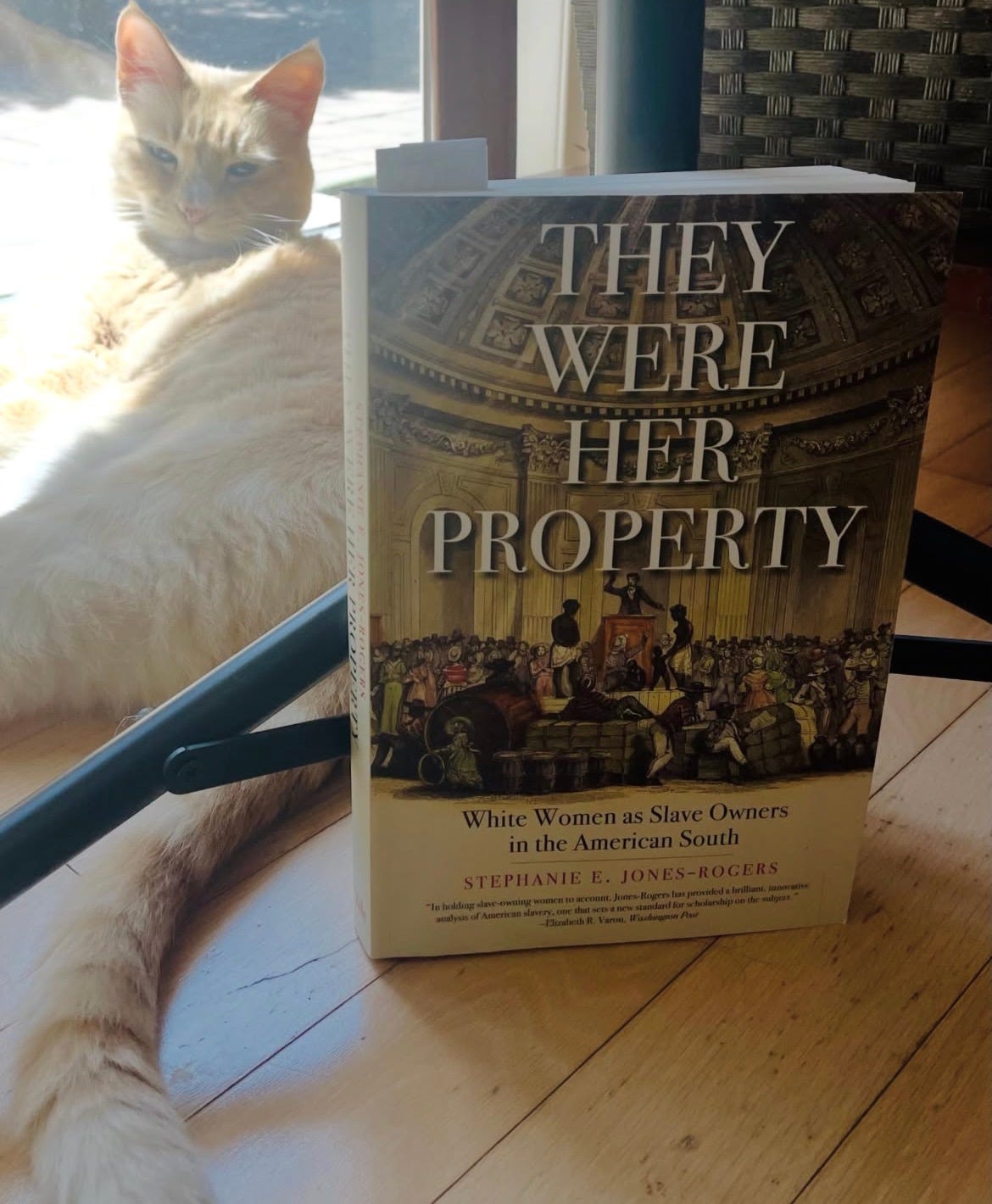
My niece suggested I read They Were Her Property, White Women as Slave Owners in the American South, by Stephanie E. Jones-Rogers, because she knows my new book is a fictionalized version of our family’s American Southern history, and she also knows I’m a person who wants to get the details right.
She’s the same. It’s genetic.
There’s a strong mythology (instigated by Southern women) that Southern belles were much too delicate to be involved in such sordid business and therefore had no responsibility for the brutality of enslaving human beings because that was something the menfolk handled.
Jones-Rogers destroys this narrative.
It certainly wasn’t true in the family documents I’ve found. My female relatives independently inherited, bequeathed, bought, and sold human beings without asking permission from their male family members.
In an earlier draft of my new novel, I described an antebellum home as having “a peculiar odor of rot and remorse.” The phrase had a poetic ring to it, something I always aspire to, although Anne Lamott would likely cringe and remind me of rule #5, “Don’t Show Off.”
But after reading Jones-Rogers's book, I realized I’d violated my own rule—that good fiction must tell the truth. “Remorse” isn’t the right word. Slaveholders resented their loss of property after the Civil War, but they were never remorseful.

A traditionally published white male N.Y. Times best-selling mystery writer just reposted on Facebook his “rules for publishing.”
“Don’t ever pay anyone to publish your book. Don’t pay to enter contests. Don’t pay for a Kirkus review. Before you consider self-publishing, or marketing your book to real publishers, you should really go back and rewrite the manuscript.”
I am a big fan of going back and rewriting manuscripts, but I don’t appreciate the snark in his calling a publisher “real.” I can only assume he means one of the big five traditional publishers—Penguin Random House, HarperCollins, Macmillan Publishers, Hachette Book Group, or Simon & Schuster—when there are plenty of smaller, respected hybrid and independent presses that are equally “real.”
I’ve spent the last months querying a few dozen independent presses. For example, the wonderful Red Hen Press.
Here’s what’s going on there according to publisher Kate Gale:
“We lost the National Endowment for the Arts, the National Endowment for the Humanities. We lost three of our largest donors, who made up 20% of our funding. Then the local funding went to fire relief…Last year, the fires blew the roof off our press. Then there was flooding. Then thieves climbed onto the building and cut out the copper from the air conditioning units. They might have made $200 for the copper. The units cost between $50,000 and $60,000, that claim caused our insurance company to cancel us.
By July 1, 2026, we need to decide how Red Hen continues.”
Most indie presses are currently struggling. They have historically relied on grants and endowments, but those days are behind us.
Yet still, I persist. The majority of presses I’ve queried haven’t rejected me—so far. One press has asked for a full manuscript.
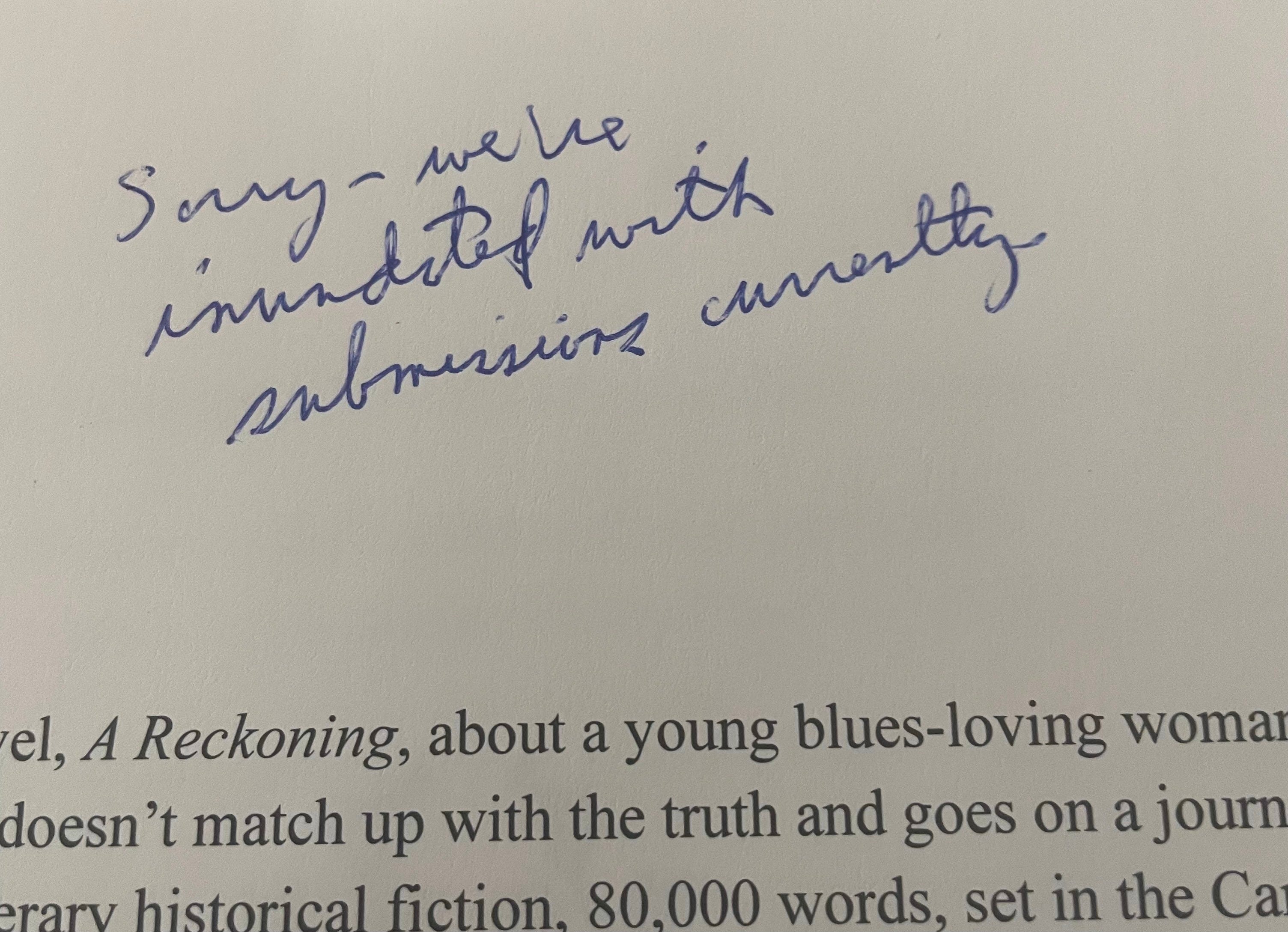
One press returned my manuscript with a note (see above) that they are inundated with submissions. I’m guessing they don’t have available staff to read through their stack.
I also assume the 100 percent AI generated rejection email I received from another press was similarly due to lack of staffing.
Several presses have requested that I resubmit again at the end of the year.
How much patience do I have?
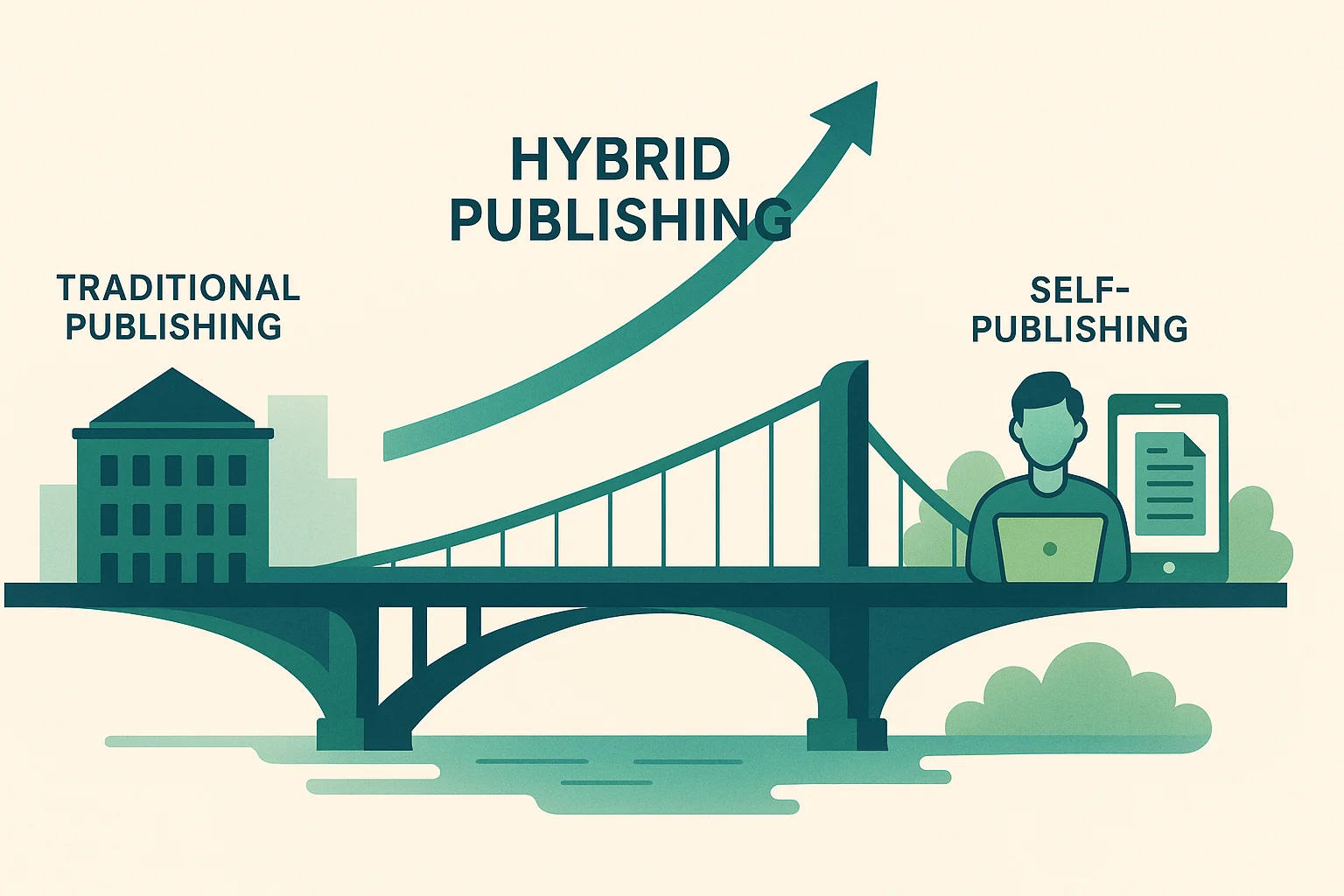
I’ve read a lot of data lately that indicates hybrid publishing is the future. Why? Traditional publishing (with one of the Big Five Publishers listed above) requires significant upfront investment by the publisher.
Editing, design, printing, distribution, and marketing all carry increasing costs that must be recouped through sales. Traditional publishing also requires an author to have an agent, an impressive media platform, and a guarantee of robust sales.
Hybrid publishing changes this equation.
Brooke Warner, publisher at She Writes Press where I’ve published both of my books, predicts “we’ll see more and more independents bringing hybrid into their programs, cutting traditional deals when they think they can earn out, and asking authors to shoulder more of the risk when it’s not a sure bet. This is just smart business.”
Or maybe I’ll tackle publishing this third novel myself.
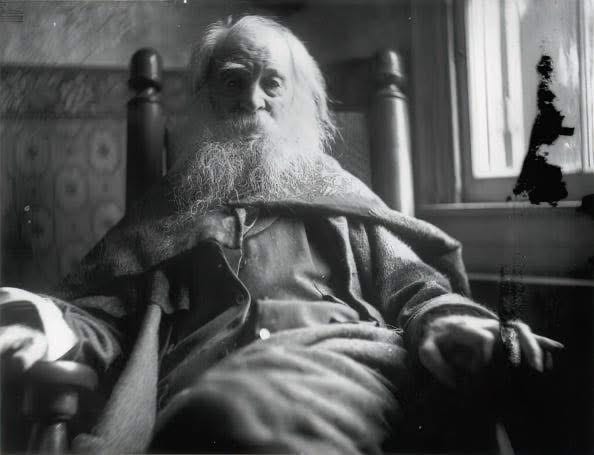
After all, Walt Whitman paid to publish 795 copies of Leaves of Grass when he was 37 years old. Mark Twain and Jane Austen self-published. Andy Weirposted his novel The Martian as free chapters on his website.
They’ve done all right.
Meanwhile, there’s no reason for traditional authors to talk smack about authors who choose other paths or don’t follow outdated rules about the ever-changing publishing world.
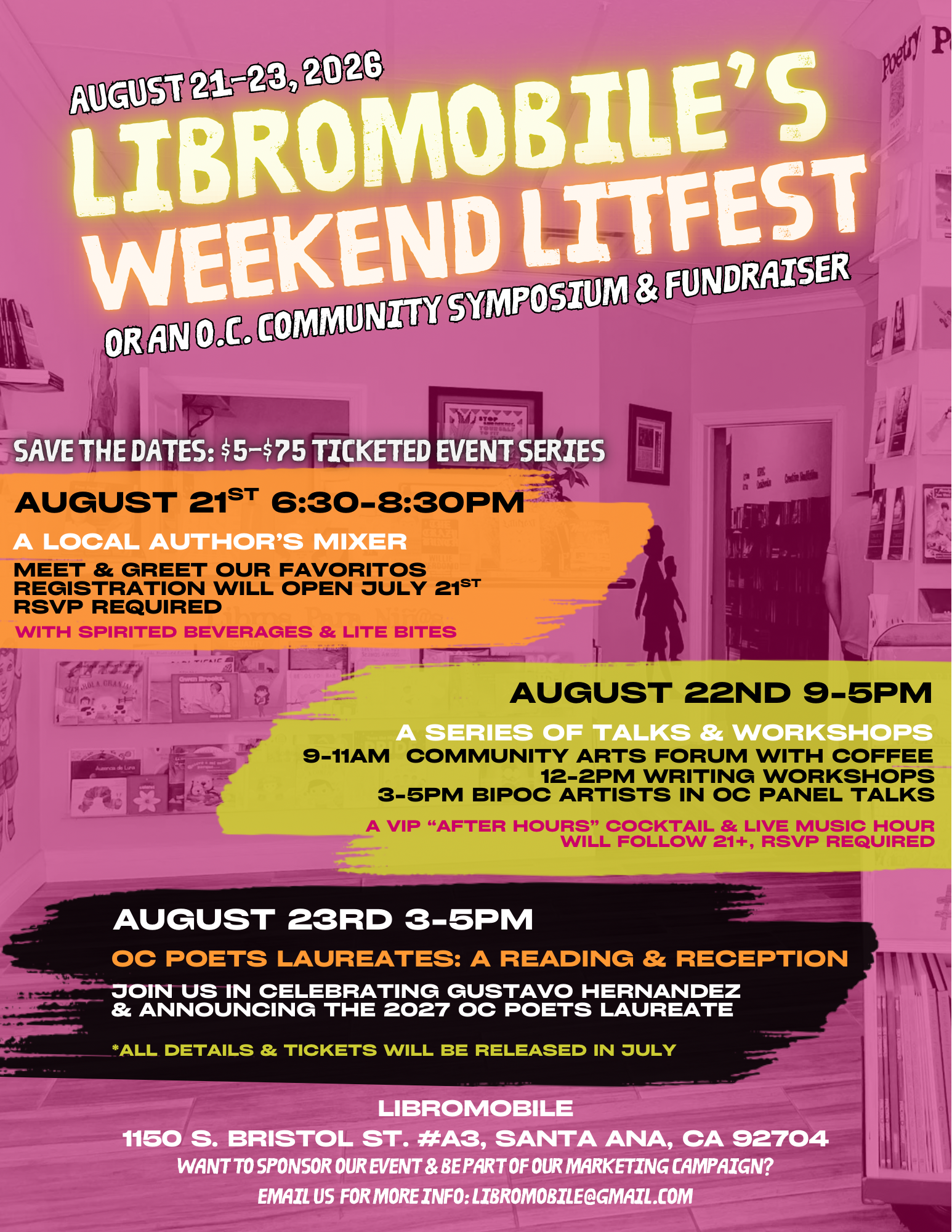
Times are also changing for bookstores that also used to be able to rely on endowments, grants, and generous donors. For example, LibroMobile.
Save the dates, August 21st to the 23rd, for LibroMobile’s Weekend Litfest. There will be mixers, workshops, talks, panels, and poet laureate announcements. It would be wonderful to see you there and if that’s not geographically feasible, go support an independent bookstore in your own community.
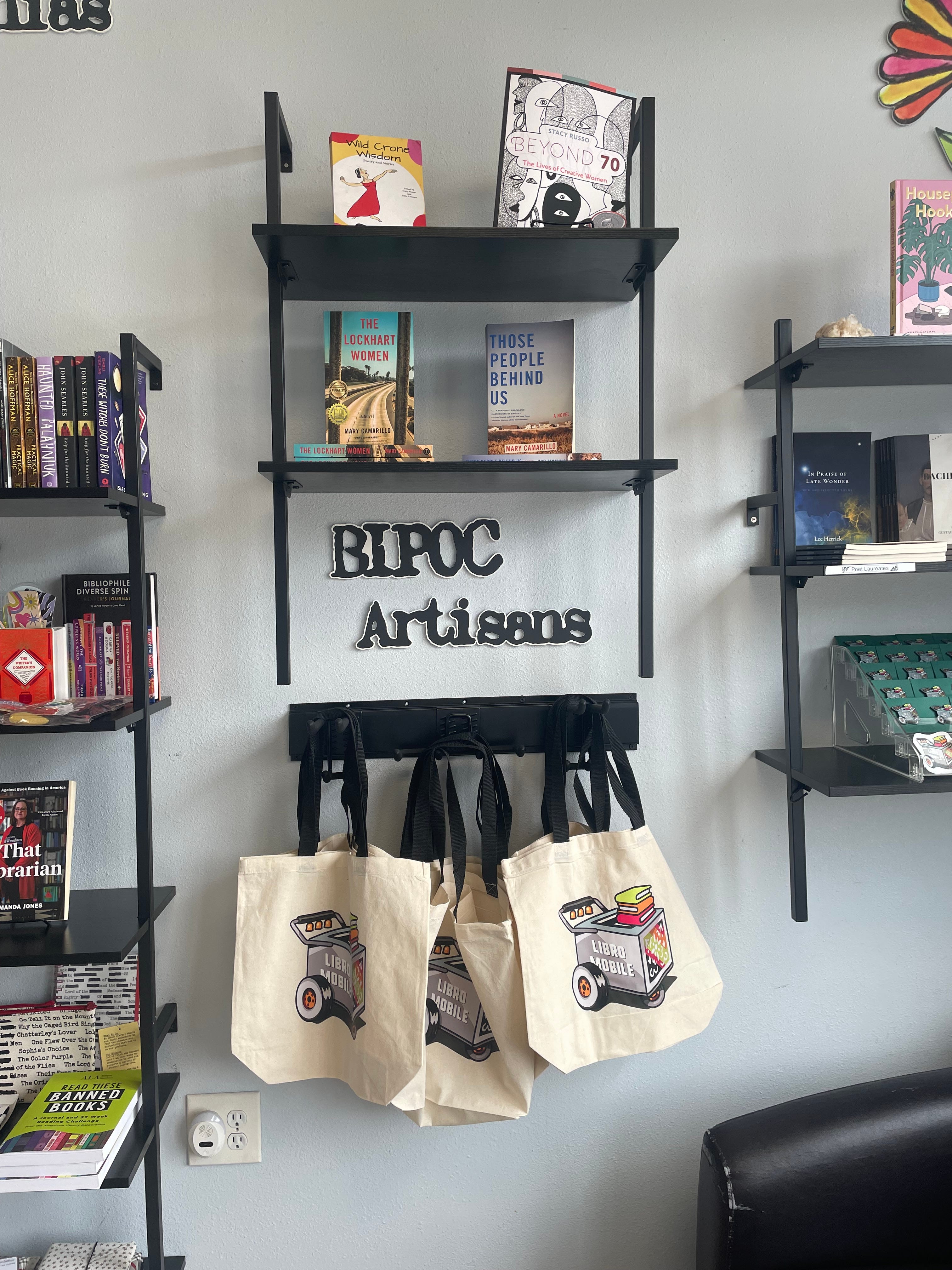
I’m grateful for the shelf space at LibroMobile for both of my novels, Those People Behind Us and The Lockhart Women. Signed copies are always available as well as terrific book swag.
Thank you for your thoughtful treatment of this topic. Things are rarely as clear as the gurus with rules make it seem. When I hear them say “never” or “always” I scroll right past. Arrogance is so unappealing.
Mary, fascinating newsletter as always. And ironically it seems you and I are on a parallel track again in our novels...my WIP also deals with slavery. I'm curious to hear more about your book! I'm soon to be embarking on the same set of choices/ submissions/decisions re publishing.