

Not My Postmaster
Or My President

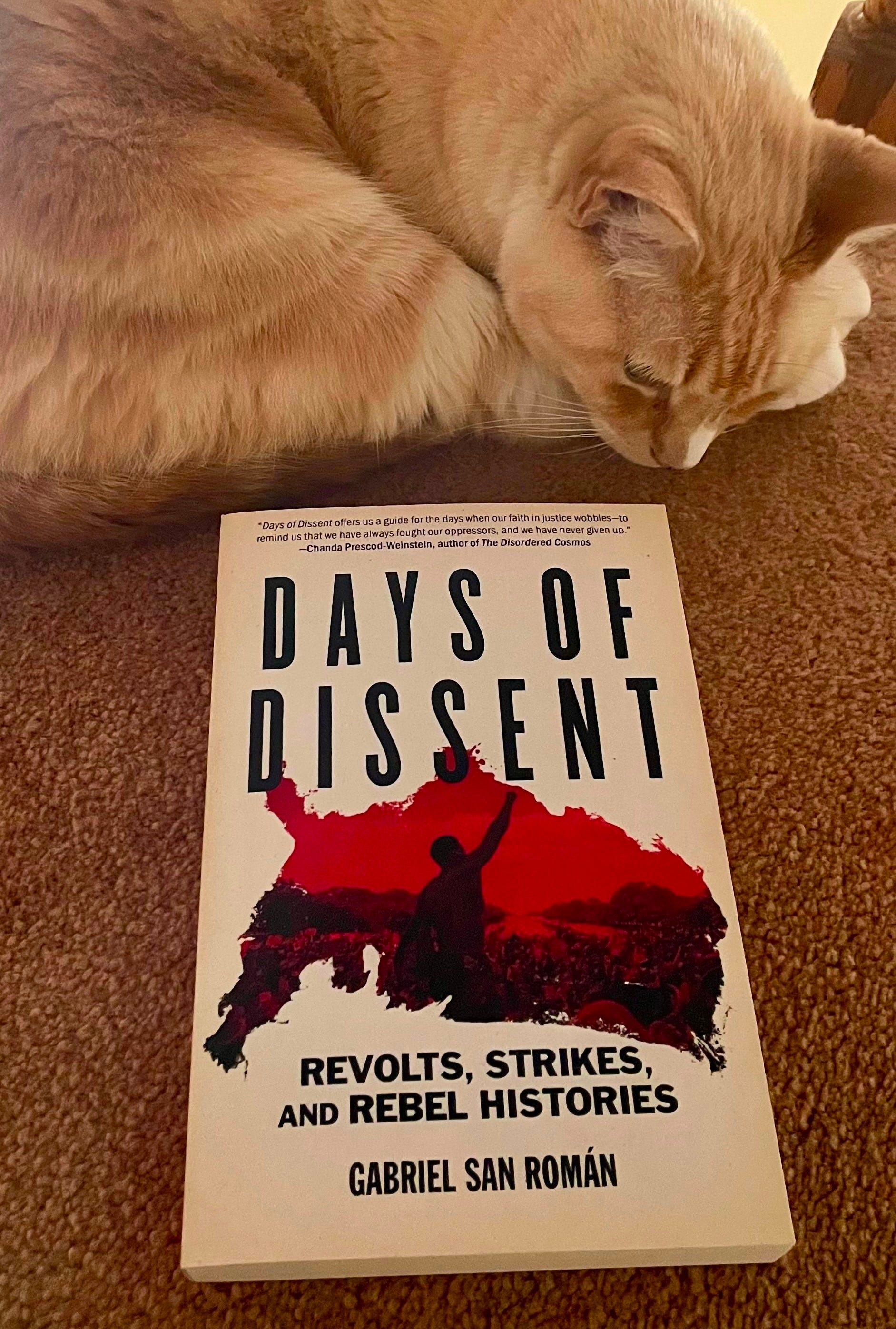
Riley recommends award-winning journalist Gabriel San Román’s new book Days of Dissent, Revolts, Strikes, and Rebel Histories which offers a compelling story of resistance for every 365 days of the year.
The February 8th entry caught my eye immediately because it concerns the Orangeburg Massacre in South Carolina. I’ve done a deep dive into that horror story because it’s part of my new novel. We traveled to Orangeburg last year and visited the South Carolina Civil Rights Museum, founded by photographer Cecil Williams, who documented the massacre’s violence and brutality. We were lucky enough to meet Mr. Williams at the museum.
On February 8, 1968, highway patrolmen opened fire on two hundred unarmed Black students protesting a “whites only” bowling alley near South Carolina State University in Orangeburg. Three young men were shot and killed, and 28 people were wounded, mostly in the back as they were running away.
The 1968 Orangeburg Massacre was largely ignored by the press for several reasons. The Massacre happened within days of the Tet Offensive in Vietnam. The students killed at Orangeburg State University were Black, and the shootings occurred at night, leaving no compelling TV images.
The Kent State Shooting two years later received far more media coverage.
Not Their Citizen
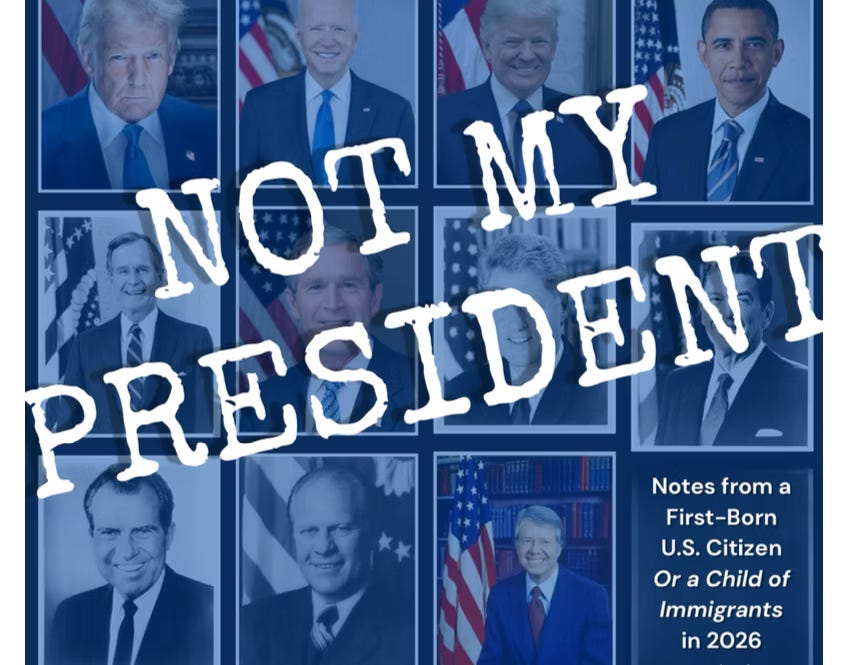
Citric Acid, An Online Orange County Literary Arts Quarterly of Imagination and Reimagination just published an excerpt from Sarah Rafael Garcia’s excellent “unintentional collection of micro-essays titled, “Not My President, Notes from a First-Born U.S. Citizen Or a Child of Immigrants in 2026.”
Garcia is the author of numerous books and essays. One of my favorites is SanTana’s Fairy Tales.
Garcia begins her micro-essays with Jimmy Carter and ends with the current occupant. These essays may be micro, but they are powerful. Garcia writes:
“Maybe I know very little about the presidents before Carter because this country never accepted me as a real citizen. Maybe I don’t care to know more because I never felt proud to be their “citizen.”
These essays also made me reconsider the presidents during my own lifetime
Not My Presidents Either
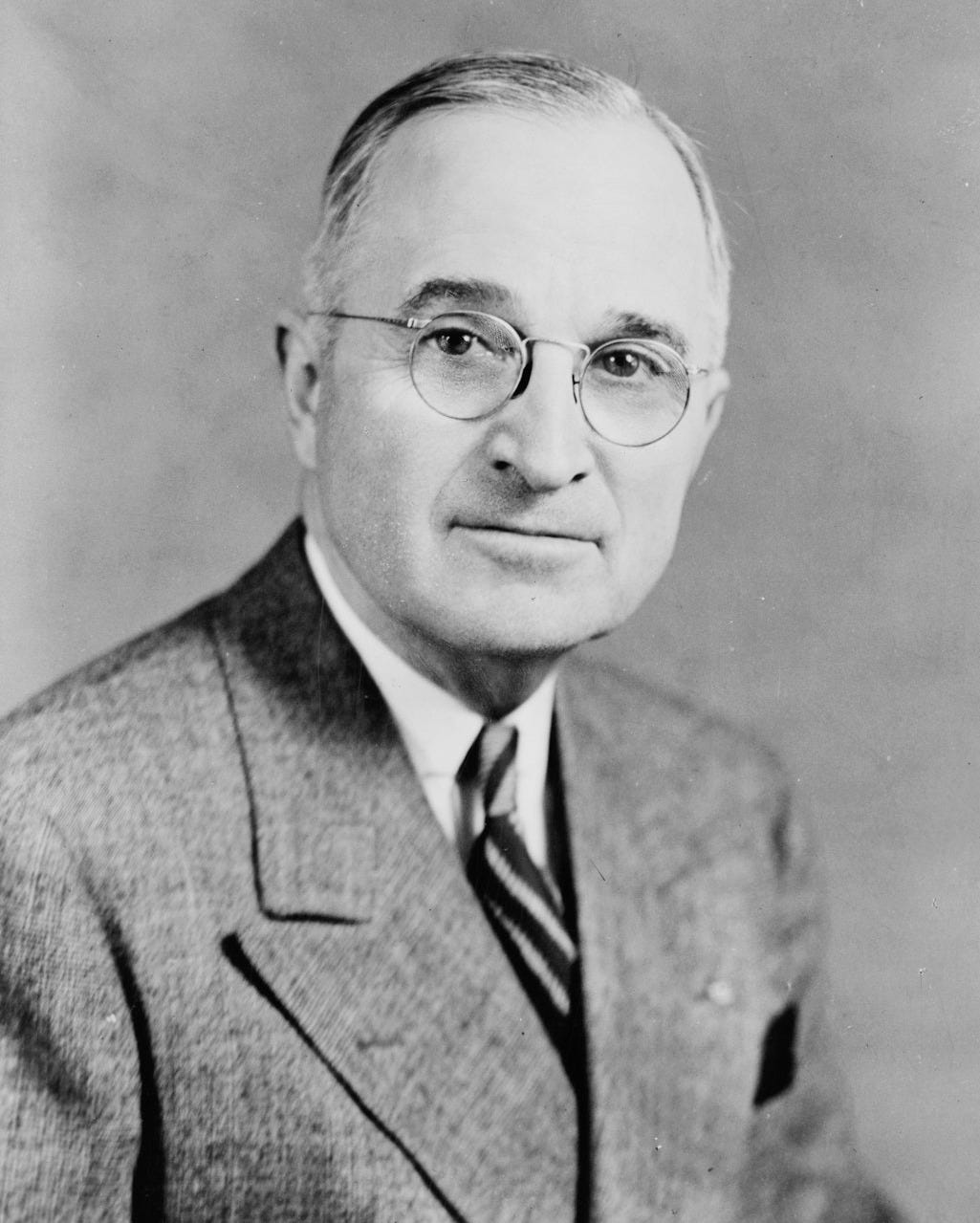
When I was born in 1952, “the buck stops here” Harry Truman occupied the White House. Hopefully my last president will not be “the buck goes straight in my bank account” current occupant.
I don’t remember Truman or Eisenhower, but I do remember the concern over JFK being a Catholic. I was in sixth grade when he was assassinated. I remember his successor, Lyndon Johnson, lifting his beagle by the ears in the White House Rose Garden, sparking a national outrage.
We had a beagle then. I didn’t like it either.
These days the Rose Garden has been paved over, the current occupant has no pets, and there’s much more to be outraged about besides assaults on beagle ears.
I campaigned for Eugene McCarthy in 1968 but was politically disillusioned when RFK won the nomination. After RFK was assassinated, after the riots at the Chicago Democratic Convention, after Hubert Humprey was the nominee, and after Nixon won, I remained disillusioned for a long time.
I was twenty-one and backpacking across Europe by myself when Nixon was impeached, trying to figure out how to talk about Watergate in French. I didn’t pay much attention to Gerald Ford except when one of the Manson girls tried to shoot him, but I liked Jimmy Carter, mostly because he reminded me of my father but also because the Allman Brothers backed his campaign.
There wasn’t much to excite me about Reagan, Bush Senior, Clinton, or GW.
I was in Lincoln Park in Chicago the night Obama won the presidency. The celebration was a thrill to witness. Obama wasn’t perfect but he still seems like a breath of fresh air, compared to his successors.
As the L.A. Times reported this week, the current occupant, Number 47, has spent months waging an unusually aggressive campaign to reshape how states run elections. He’s pushed the Department of Homeland Security to compile a list of citizens in each state to help determine voter eligibility and he wants the Postal Service to decide who can receive mail ballots.
Not My Postmaster
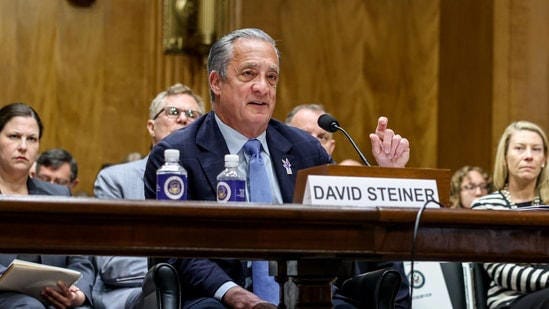
The new Postmaster General, David Steiner, a former Waste Management CEO who has also served on the board of FedEx, is happy to implement #47’s demands. Steiner recently told Congress that if a state declines to furnish the federal government with its absentee voter list, the postal service will not mail election ballots in that state.
As you likely already know, I had a long career with the post office. It might be genetic since both of my grandfathers were railway mail clerks. Railway mail clerks were considered the elite of the postal service, respected for the demanding nature of the work and the rigorous training required. They sorted letters, newspapers, and parcels while the train was moving, were expected to know all post offices, rail junctions, and local delivery details, and be physically able to pull a mail bag off a hook at stations without stopping the train, while simultaneously dropping off bags of outgoing mail.
My jobs at the post office were nowhere near as physically demanding but I also respected the folks I worked with. We had a mission to accomplish. We had to get the mail out.
The Postal Service is legally required to deliver mail to all addresses in the United States as addressed. This obligation ensures that no American is left without access to postal services, making it a critical part of the USPS’s mission to “bind the nation together.”
U.S. District Court Judge Indira Talwani blocked #47’s plans, for now anyway, stating that the Postal Service does not have the legal authority to determine who can vote by mail and how.
Postal unions are also fighting back. The APWU said: “Postal workers take our commitment to public service seriously. We are proud to keep America’s mail moving and to treat it with the seriousness and respect that every postal customer deserves. That is especially true of election mail, and as postal workers, we are proud to have helped hundreds of millions of Americans exercise their right to vote by casting mail-in ballots.”
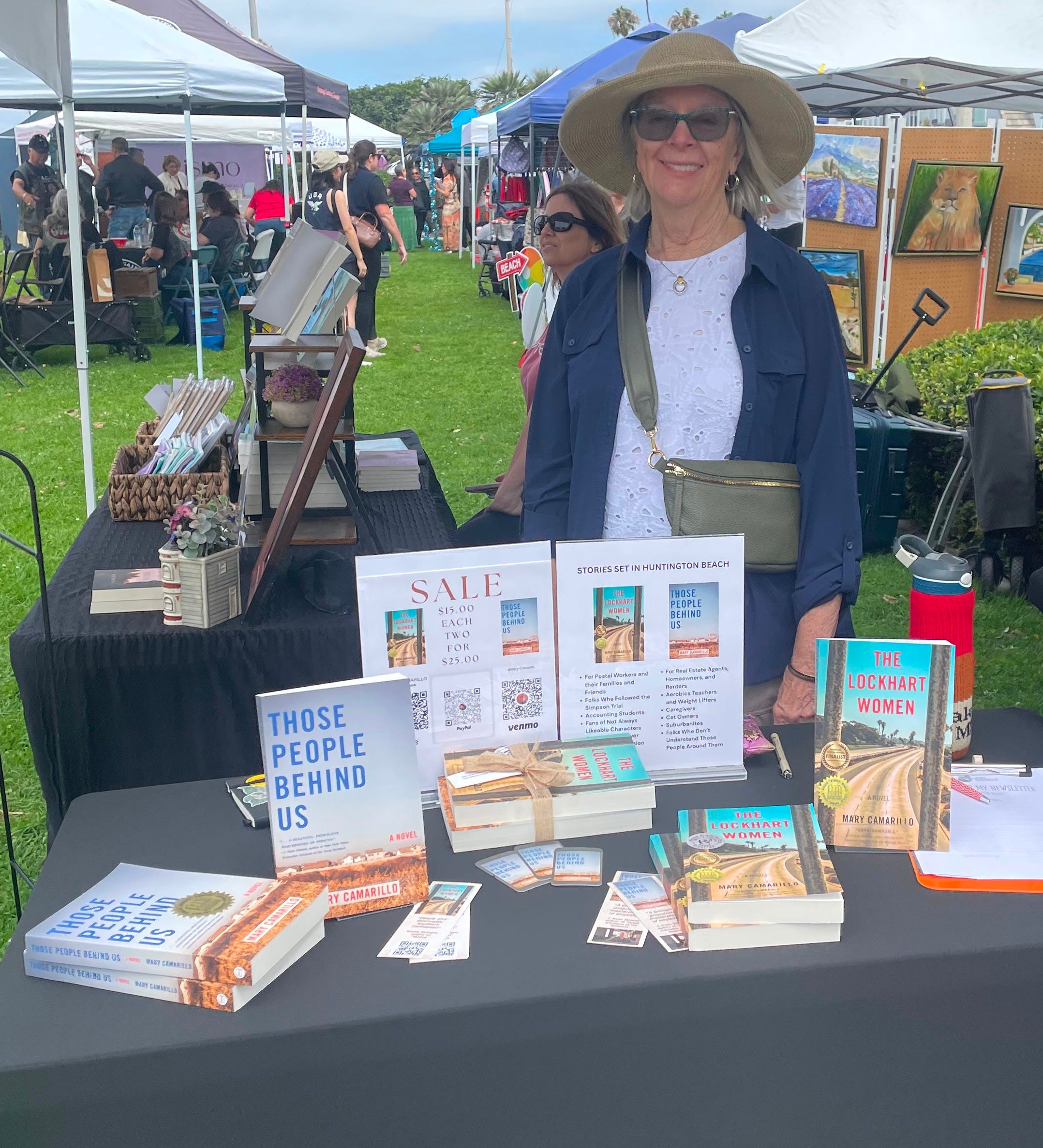
Not Exactly My Kind of Book Festival
I joined a group of local authors last Saturday for a “Pop Up at the Pier Seal Beach Community Marketplace.” It was basically a craft fair so it shouldn’t have surprised me how many folks answered the question, “What do you like to read?” by saying, “I don’t really read.”
After all, they weren’t there for books. They wanted crafty things.
Besides, the number of people who read just for fun is declining every year. In America right now, fewer children than ever are reading for pleasure, even though “regularly reading for pleasure is scientifically proved to improve mental well-being, increase empathy and protect against dementia.”
The festival was still fun. I hung out with writer friends, sold a few books, and talked to a lot of interesting folks, while occasionally gazing at the Pacific Ocean.
Not a bad gig at all.

I encourage you to consider your mental health, the possibility of dementia, and the decline of empathy in this world, and keep reading.
Please keep reading.
Interesting, as usual. If you read up some more on Carter, I think you'll find that perhaps not as a president but as a man, he is eminently worth admiring.
Reading your words about a certain president brought to mind a quote by Friedrich Nietzsche: “Distrust all in whom the impulse to punish is powerful.”
Especially if that person doesn't have a dog or cat!